How does a multi-location restaurant group run one creator program from head office?
A regional manager asks head office for a local creator push, and the other regions will want the same soon. You need one program that serves every location without losing control of the brand.
Head office writes one playbook and sets the brand guidelines. Each location adapts the brand to its neighborhood. The budget follows creator size and counts every cost. Every creator is checked against one standard. Pay matches the size of the ask. Campaigns are planned around offers. Stores get written answers for creator visits. Results are tracked against store-level data.
CreatoRain Team4 min read
CreatoRain is a done-for-you influencer marketing service for restaurant platforms and restaurant groups: CreatoRain's team builds each provider its own food-creator network, and finds, invites and pays the creators.

Write one creator playbook at head office
Start with one framework at head office: a short set of messages every location uses, so the brand reads the same from store to store. Turn it into a written playbook that keeps every region working from the same page. Creator fees start at around $100 apiece for nano influencers with 2,500 or so followers.
What the head office playbook holds
- The key goals and objectives of the marketing plan.
- The top content channels to use.
- Standard processes and workflows for the marketing teams.
Let each location adapt the brand to its neighborhood
One campaign copied to every store will miss. Neighborhoods differ between regions, and often between two stores in the same city. Let each location post its own content and show up in its own community, so every store looks like the local choice while the brand stays the same.
Franchise systems handle this with a clear split. Each location tailors its marketing to its local market, while the franchisor sets clear brand guidelines for all marketing materials, including logos, color schemes, messaging and core values. Draw the same line at head office: keep the brand there, and let each location own the local story.
Social media guidelines every location follows
- Brand voice
- Visual branding
- Approval processes
- Customer service
- Local community engagement
Set the creator budget by size, and count every cost
Influencer budgets cover a wide range. At the top end, macro influencers with 500,000 to 1 million followers run in the six-figure range.
The fee is only part of the bill. If a public relations firm books a creator visit on a comped meal, the restaurant bears three costs:
| Cost | Where it comes from |
|---|---|
| Public relations firm fees | The firm's fee for booking the visit |
| Food and beverage | The cost of the comped meal |
| Lost revenue | The opportunity cost of not having paying guests in those seats |
If you would rather hand the work to a partner, count it per video. CreatoRain charges $300 a video, creator pay included. As a worked example, picture a group of ten stores at two videos a month: that is twenty videos, which at that per-video price comes to $6,000 a month.
Vet every creator against the same standard
Vet every creator, whether the post is paid or not. Some restaurant companies vet all of their influencers to understand their relationship with the brand and to make sure their values are aligned. Others vet each potential partner to make sure they are the right fit, with these checks:
How some restaurant companies check a potential creator partner
- Read what is said about them.
- See how guests interact with them.
- Watch how they interact with others.
- Decide whether they are authentic.
Vetting at the scale of a group needs a system. A done-for-you service can take the finding, inviting and paying off your list. At CreatoRain, for example, an in-house team finds, invites and pays creators and tracks each post.
Match the pay to the ask, and keep contracts flexible
Creators disagree on what fair compensation means and on whether payment is needed at all. They agree that it depends on the creator's experience and on whether the brand alignment makes sense.
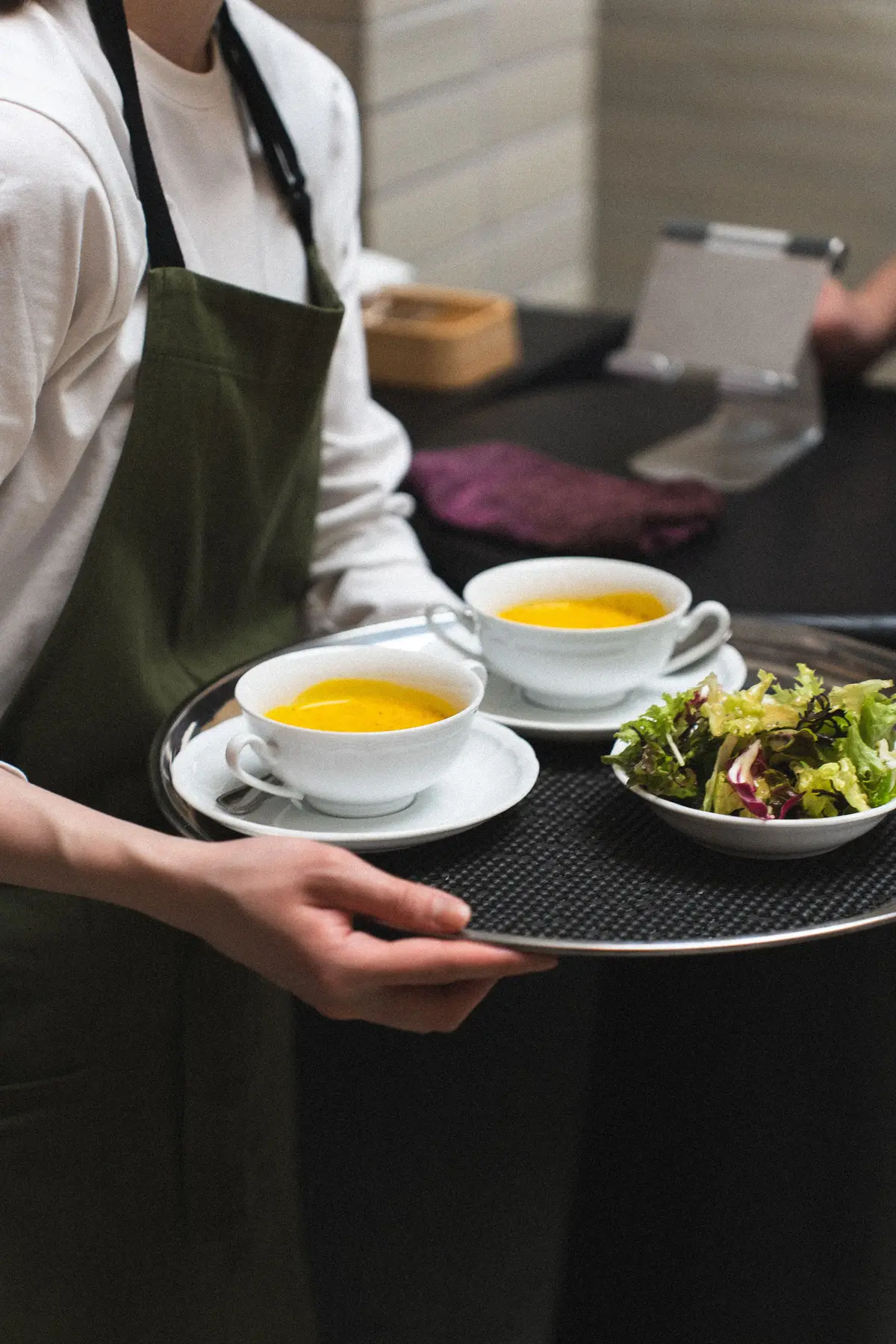
"If they just want a couple of Instagram posts or stories, I am fine with a comped meal," one food blogger said. Bigger asks are a different deal:
| The restaurant asks for | The creator expects |
|---|---|
| A couple of Instagram posts or stories | A comped meal |
| A full blog post or extensive social media outreach | Payment in gift cards or money |
Put each partnership under a solid contract, but leave the creator room to work. A post lands when it sounds like the creator, and a rigid, line-by-line brief makes it sound forced.
Plan a year of campaigns around offers
Give each campaign a reason to exist. Diners rarely stop scrolling for the everyday menu. They stop for a deal, a limited-time item or a reason to visit this week.
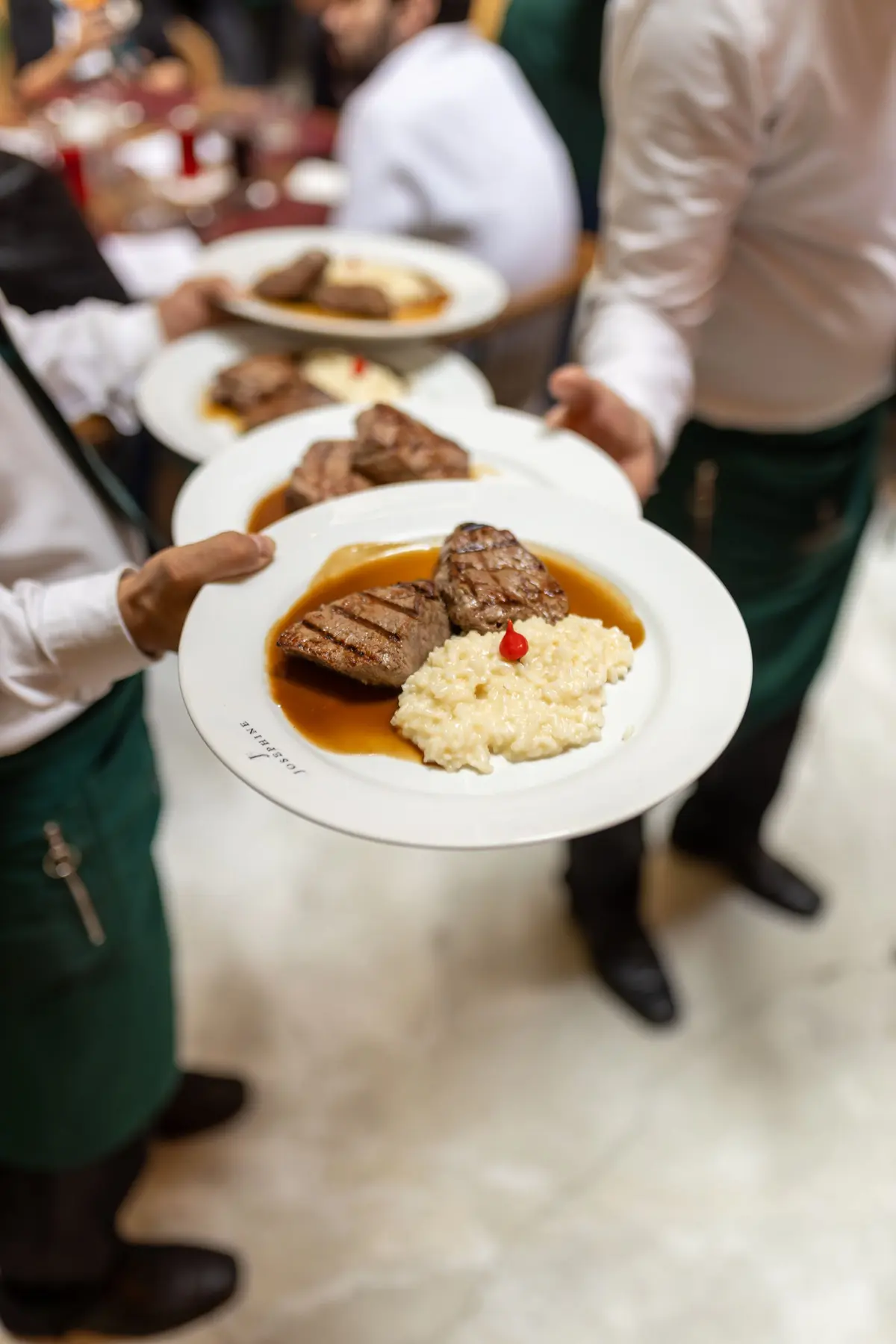
In a 2019 MGH survey, 74% of diners who actively follow and engage with restaurant brands on social said they're more likely to visit or order food from them.
Social media know-how is not only for creators. Operators should learn what makes someone on Instagram or TikTok stop and share a post, and what makes them scroll past.
Playing it here loads YouTube’s player, which may set its own cookies.
Give store teams written answers before creators arrive
Write down how stores handle a creator visit, so a general manager can back the program without making judgment calls in the middle of a rush.
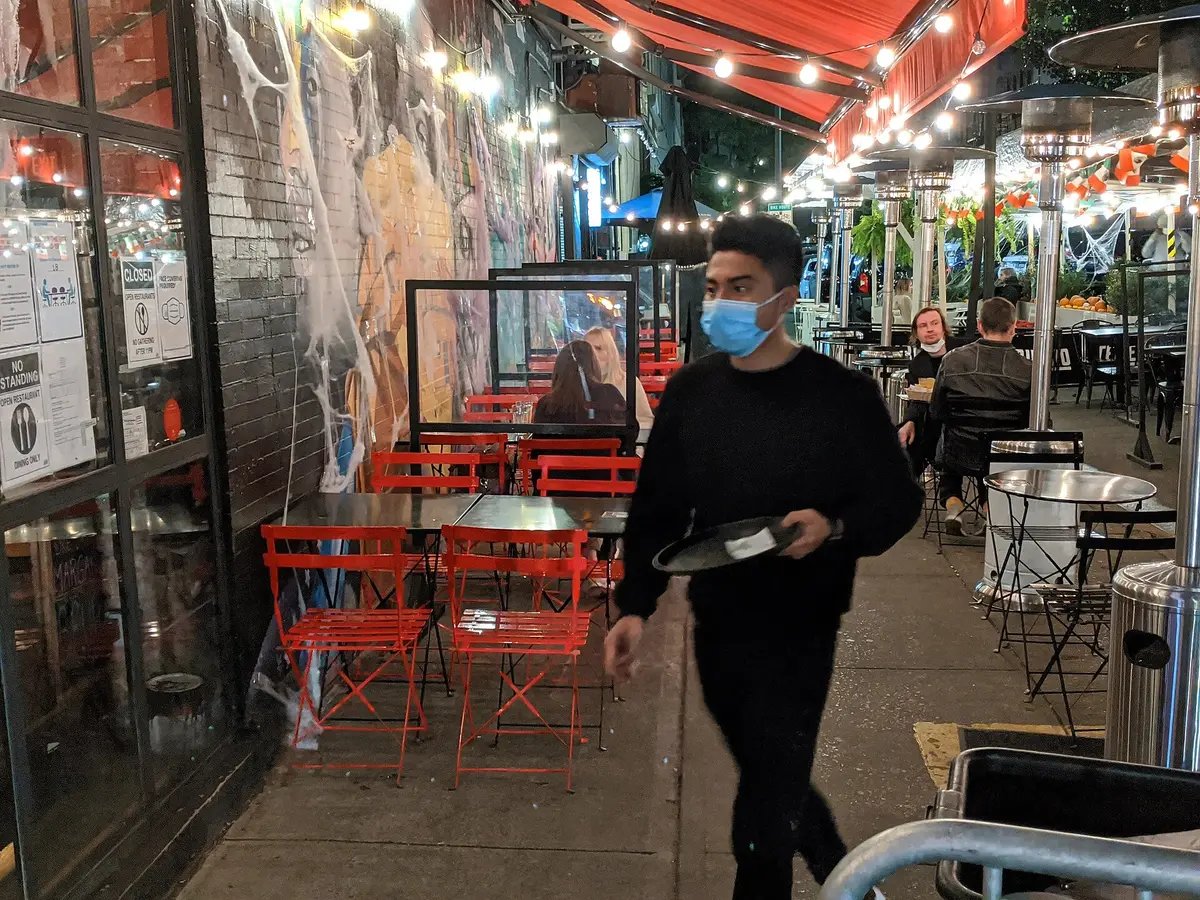

Set up lines of communication that managers can use to talk to one another to troubleshoot, and to reach you if something comes up. Online, each store has its own job: influencers say restaurant operators should be active on social media and readily respond to reviews, both positive and negative. At the table, brief the servers on what to do. One operator says that when a showpiece dish goes out, "our servers know to take a step back and allow everyone at the table to take pictures and videos."
Run it as one system and read results by store
Run the program as one system. A social media agency that works with multi-location QSR brands describes the program it builds as three layers:
| Layer | What it does |
|---|---|
| Content engine | Produces a consistent volume of authentic, platform-native content |
| Creator network | Grows across markets |
| Paid amplification | Uses organic performance data to maximize efficiency |
Clover's reporting and sales feature, for example, compiles multi-location data, online orders included. Read each store this way:
How head office reads creator results by store
- Pull each store's report from one reporting tool, online orders included.
- Read the year-over-year changes in check count, entree volume and revenue, which that agency calls the metrics that matter.
- Treat follower counts and reach as signs of growth, not as proof the program earns its place.
Track performance against store-level data to know what is actually working, and where.
Sources and method
Where each number comes from
- “$300” — As published on our pricing page.
- “$6,000” — Our arithmetic: $300 a video times 2 videos a month times 10 stores, an example group size and pace, not a client. Measured November 14, 2026.
- “2,500” — Influencer marketing is ‘becoming a necessity’ for restaurant brands. Read November 14, 2026.
- “$100” — Influencer marketing is ‘becoming a necessity’ for restaurant brands. Read November 14, 2026.
- “500,000” — Influencer marketing is ‘becoming a necessity’ for restaurant brands. Read November 14, 2026.
- “1 million” — Influencer marketing is ‘becoming a necessity’ for restaurant brands. Read November 14, 2026.
- “six-figure” — Influencer marketing is ‘becoming a necessity’ for restaurant brands. Read November 14, 2026.
- “2019” — 45% of diners have tried a restaurant because of social media. Read November 14, 2026.
- “74%” — 45% of diners have tried a restaurant because of social media. Read November 14, 2026.
Pages quoted in this article
- 5 advertising solutions for national growth to help you scale Read November 14, 2026.
- Enterprise multi-location marketing: best practices and strategies Read November 14, 2026.
- Your cheat sheet for tracking analytics in multi-location marketing Read November 14, 2026.
- How Multi-Unit Restaurants Can Win New Guests in the Age of AI and TikTok Read November 14, 2026.
- How to navigate the challenges of franchise marketing Read November 14, 2026.
- Influencer marketing is ‘becoming a necessity’ for restaurant brands Read November 14, 2026.
- Are food influencers a good investment? Read November 14, 2026.
- Key Marketing Initiatives for Franchises - International Franchise Association Read November 14, 2026.
- KFC CMO Nick Chavez says brand’s influencer strategy helps attract a younger audience Read November 14, 2026.
- Consumers serve as the north star of IHOP’s influencer strategy Read November 14, 2026.
- How a Multi-Location QSR Brand Drove Double-Digit Sales Growth with a $0 Influencer Budget Strategy – Modern Restaurant Management Read November 14, 2026.
- Why restaurants are underestimating creators as a resource Read November 14, 2026.
- How to Work with Food Influencers: Bloggers Dish on Best Practices Read November 14, 2026.
- Social media marketing expert Kate Finley shares how influencers can boost your restaurant Read November 14, 2026.
- Why authenticity makes or breaks restaurant influencer marketing campaigns Read November 14, 2026.
- Purpose matters most for restaurant social content Read November 14, 2026.
- 45% of diners have tried a restaurant because of social media Read November 14, 2026.
- What to know about gaming the social media algorithms Read November 14, 2026.
- Restaurant employees are becoming brands’ most credible creators Read November 14, 2026.
- How to manage multiple restaurant locations - Clover Blog Read November 14, 2026.
- How influencers became the new restaurant critics Read November 14, 2026.
- ‘Coming to Your Restaurant Should be in Everyone’s Feed.’ – Modern Restaurant Management Read November 14, 2026.
Related questions
All 14 guides on Working with creators →Run more than one location? See how CreatoRain works for restaurant chains. See real campaigns in our case studies.